Research

From the smallest building blocks of matter to the vast reaches of the universe, researchers at the LSU College of Science are exploring fundamental questions and pursuing discoveries that shape our understanding of the world.

Across five academic departments and the Museum of Natural Science, our faculty and students advance research in the biological, chemical, physical, mathematical, and Earth sciences. By bringing together expertise across disciplines, departments, and institutions, we foster collaboration, accelerate scientific discovery, and tackle complex challenges that extend beyond traditional scientific boundaries.


32

NSF CAREER Awards to Date

$38M+

2026 Sponsored Research Expenditures

44

AAAS Fellows to Date

Research Areas

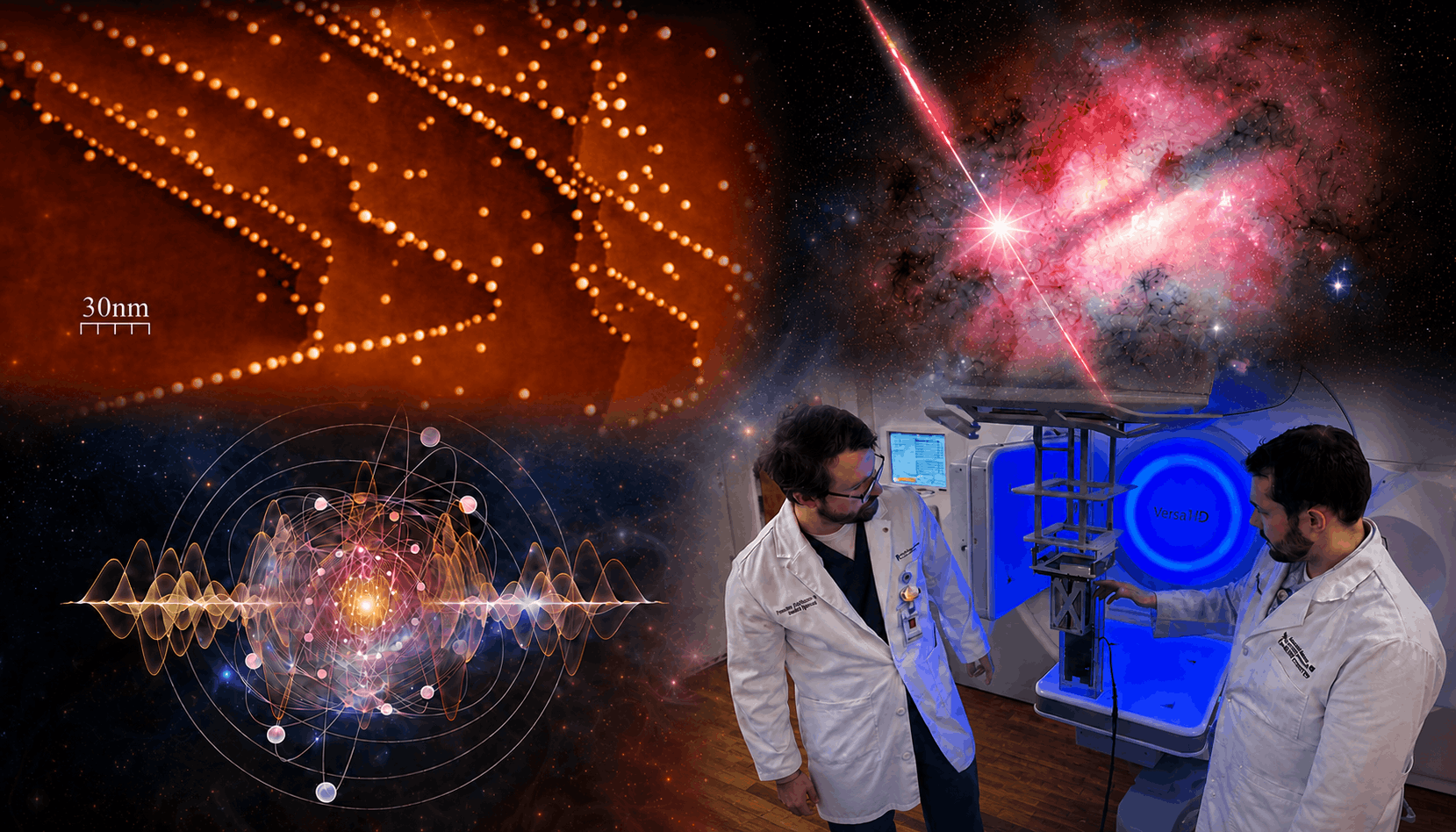
collage image of astronomy, nuclear physics, condensed matter physics and medical physics

Exploring the universe, from the smallest particles to the largest cosmic structures.

Physics & Astronomy
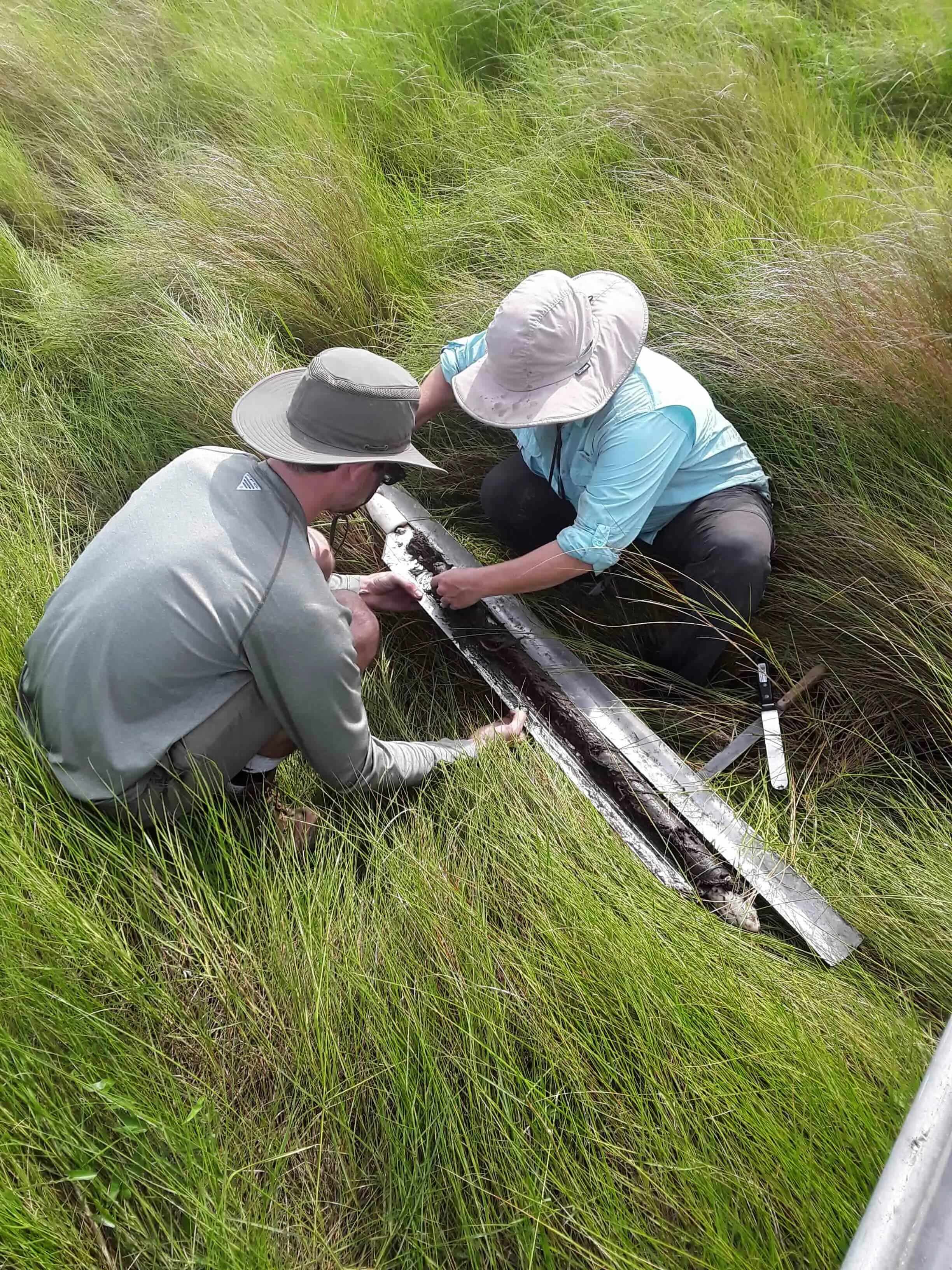
researchers in the marsh

From Louisiana's coast to the far reaches of our solar system.

Geology & Geophysics
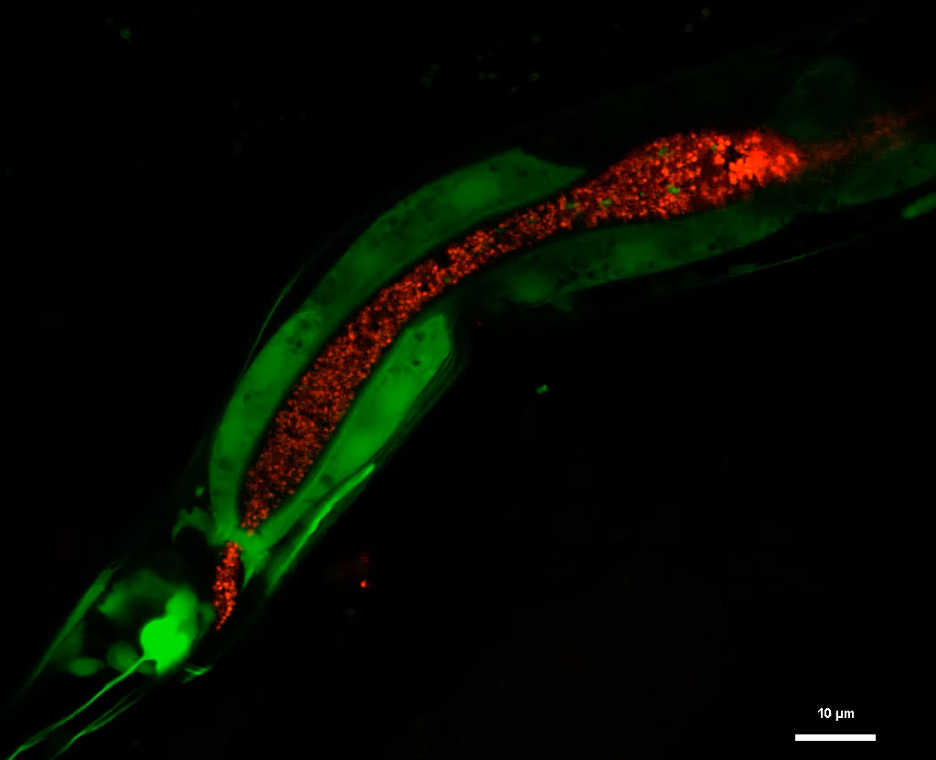
 worm under microscopy

Understanding life, from its molecular foundations to the diversity of ecosystems.

Biological Sciences
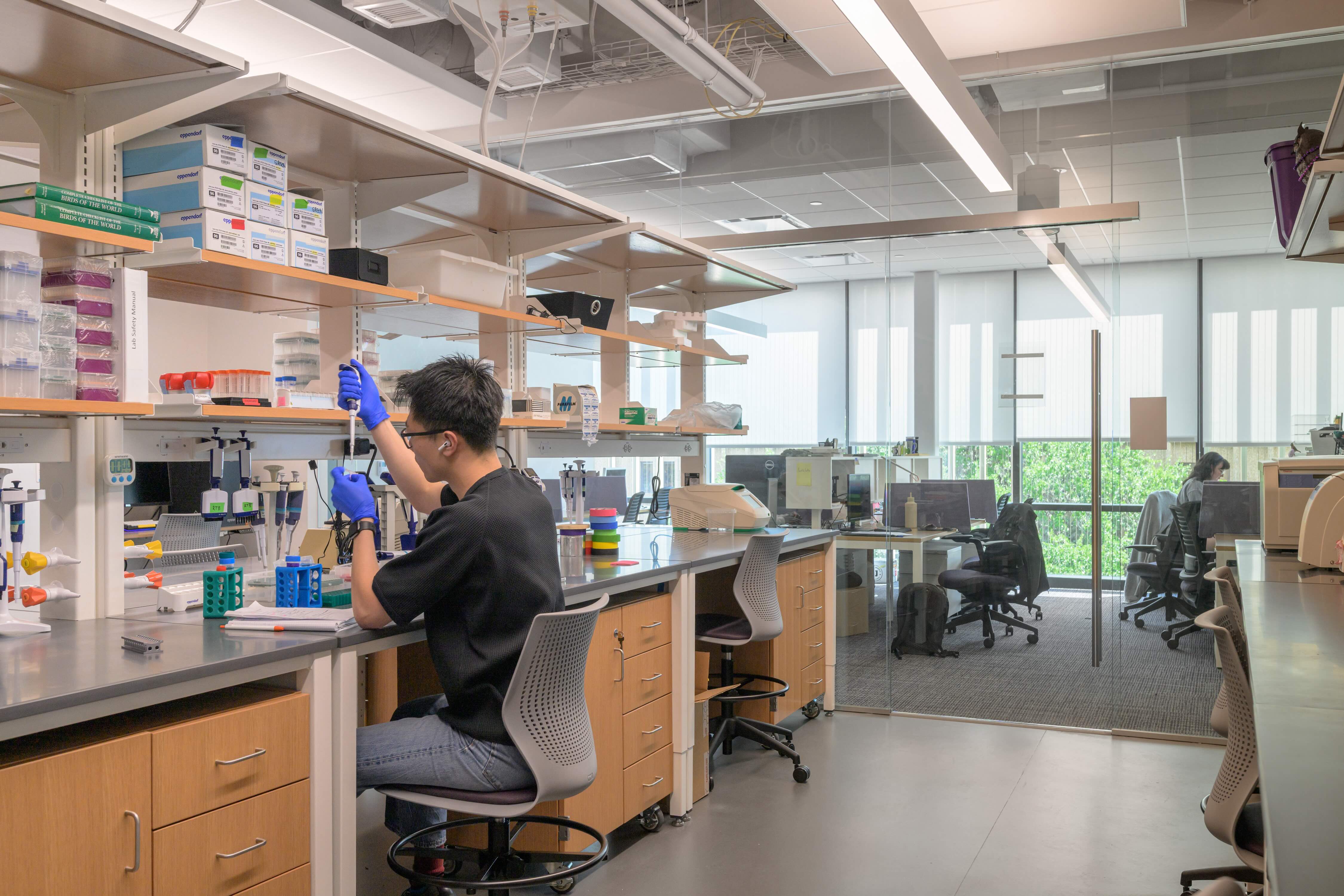
Student conducting reasearch in a lab

Uncovering the chemistry behind life, matter, and materials.

Chemistry


mathemathical equations

Finding patterns, solving problems, and revealing the mathematics behind our world.

Mathematics


Research Centers and Facilities


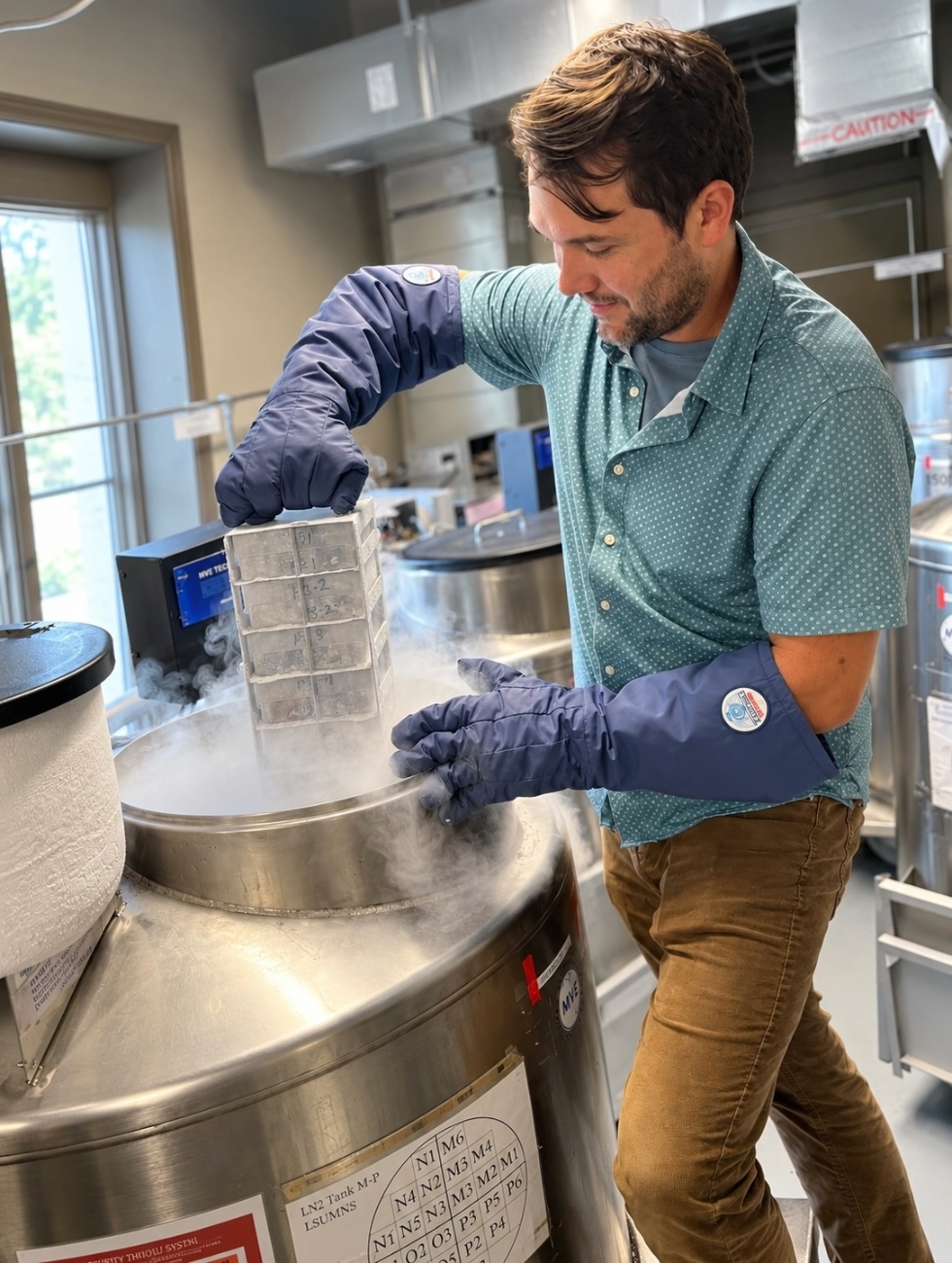
Professor operating liquid nitrogen

MUSEUM OF NATURAL SCIENCE

Home to nearly 3 million specimens, the LSU Museum of Natural Science houses one of the nation's leading natural history research collections. Its holdings include the world's third-largest university-based bird collection and the world's largest collection of frozen genetic resources. Through field expeditions around the world and specimen-based research, museum scientists advance our understanding of biodiversity, evolution, and conservation, supported by $2.7 million in NSF grants.


Research News

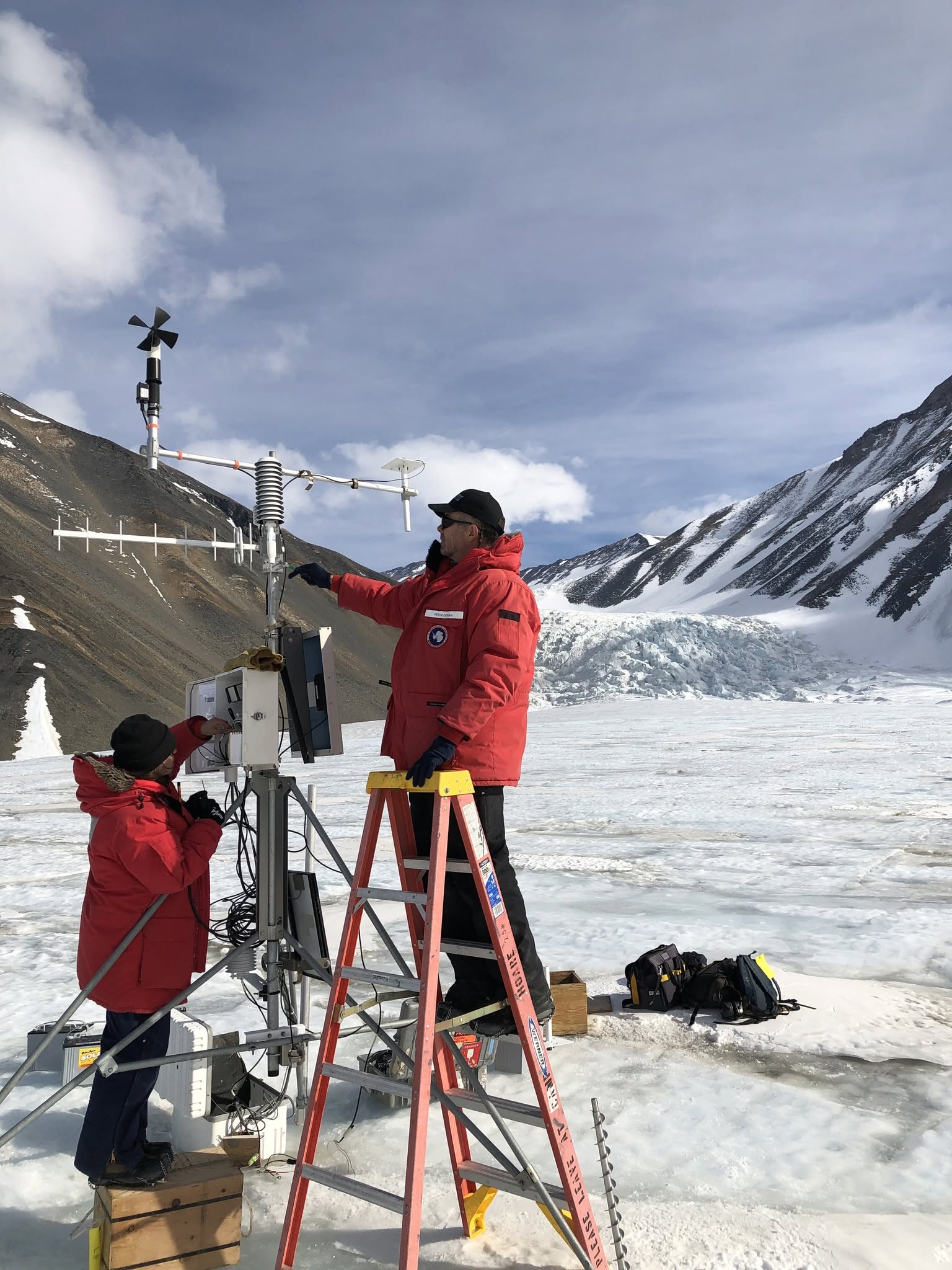
LSU geologist Peter Doran joins an international team of scientists proposing updated planetary protection policies for future human missions to Mars, aiming to enable exploration while preserving scientists' ability to discover extraterrestrial life.

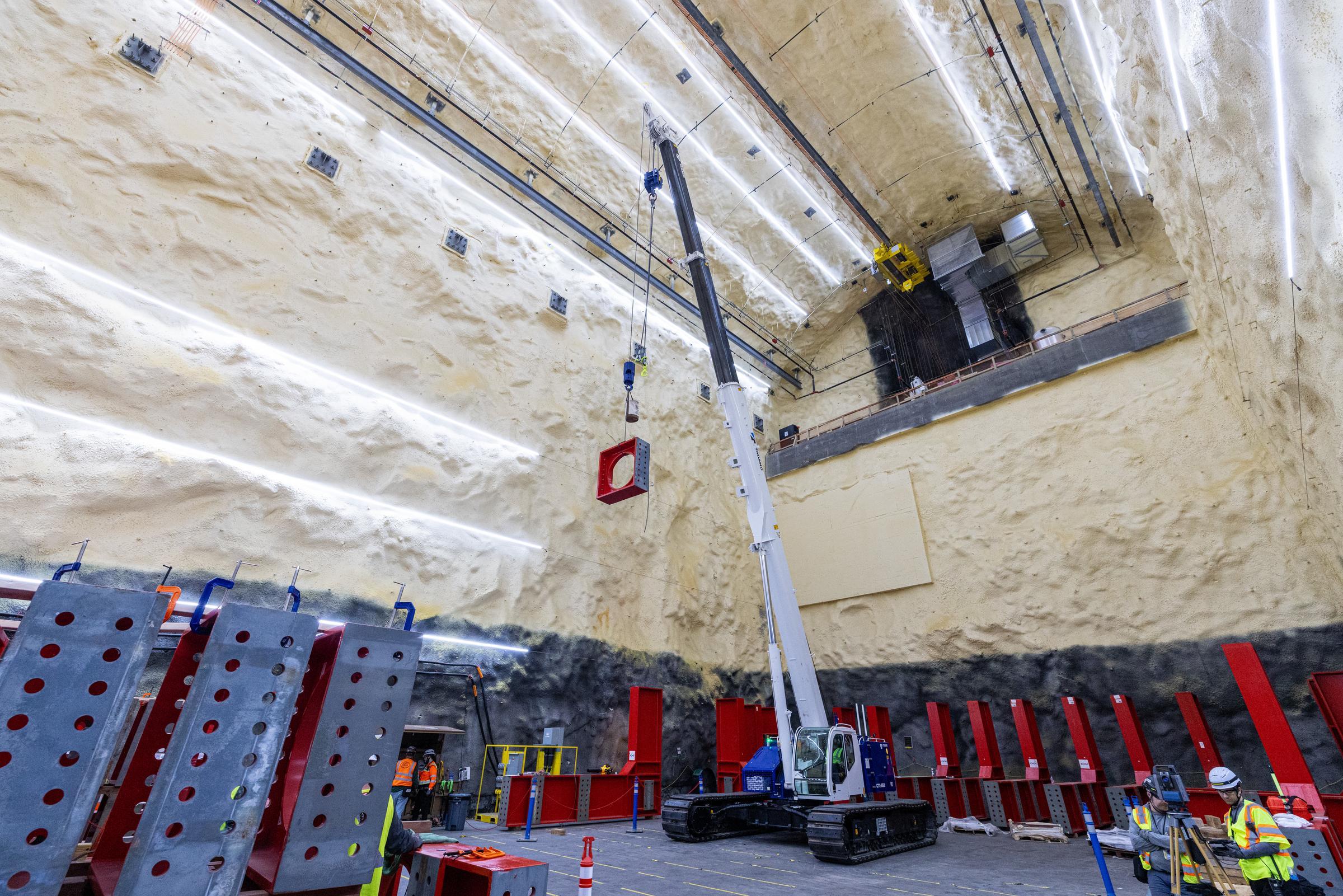
LSU physicists are helping build the Deep Underground Neutrino Experiment (DUNE), a major international experiment designed to investigate the fundamental properties of neutrinos and why the universe contains more matter than antimatter. LSU Professor Thomas Kutter, who helped lead early ProtoDUNE efforts at CERN, and other LSU researchers are developing and testing detector components, electronics, and software for the experiment. With construction of massive underground detector structures underway in South Dakota, DUNE is moving closer to exploring some of physics' biggest unanswered questions.

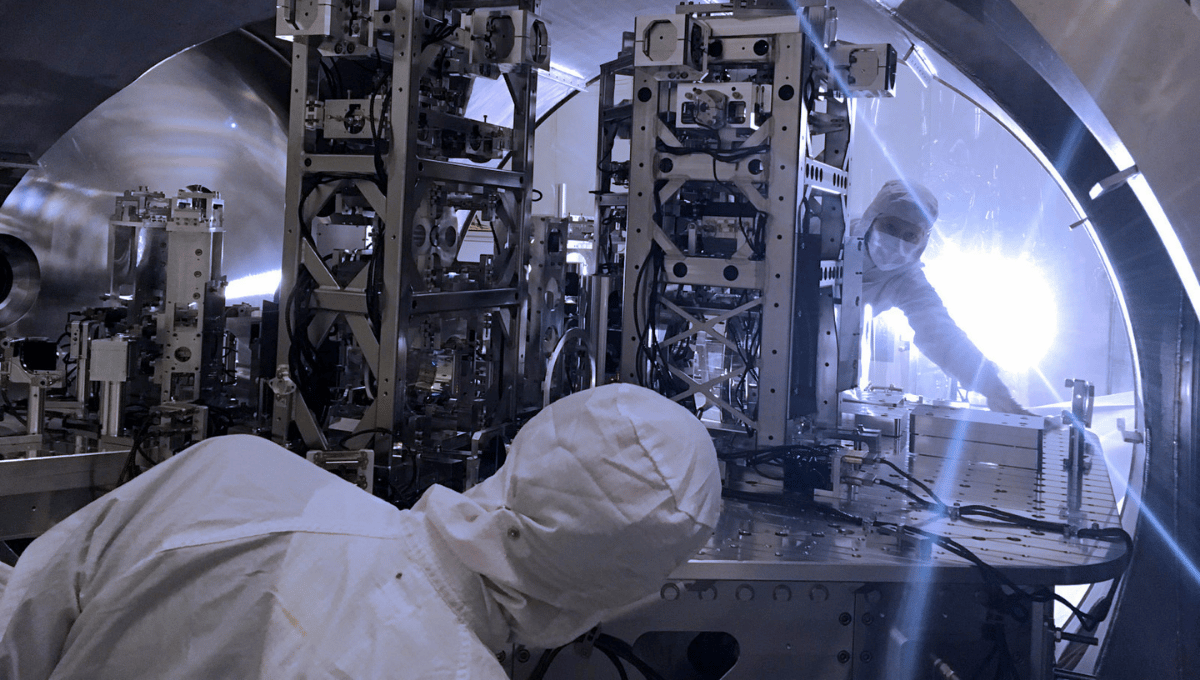
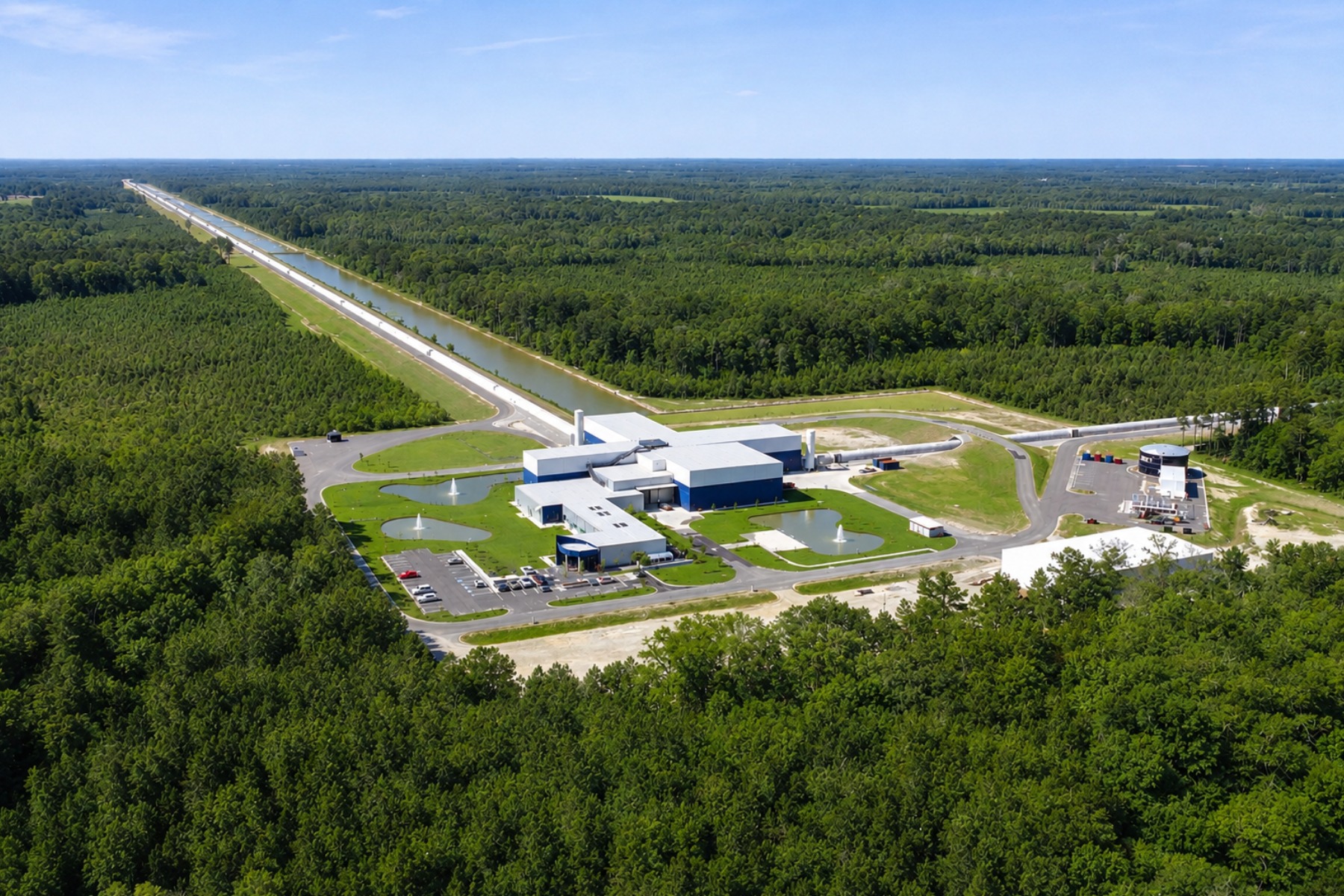
Led by LSU Boyd Professor Gabriela González, a new $4 million, two-year National Science Foundation grant will support the computing infrastructure behind the Laser Interferometer Gravitational-Wave Observatory (LIGO). The collaborative project will improve data analysis, accelerate alerts to astronomers, and maintain the reliable computing systems essential to detecting gravitational waves from colliding black holes, neutron stars, and other cosmic events.

An LSU-led, $1.31 million NSF-funded project will investigate how prescribed fires affect soil bacteria and fungi in longleaf pine forests across the southeastern United States. Led by biologist Gaurav Kandlikar, the five-year study will establish a regional research network to better understand how fire shapes soil microbial communities and forest ecosystems.

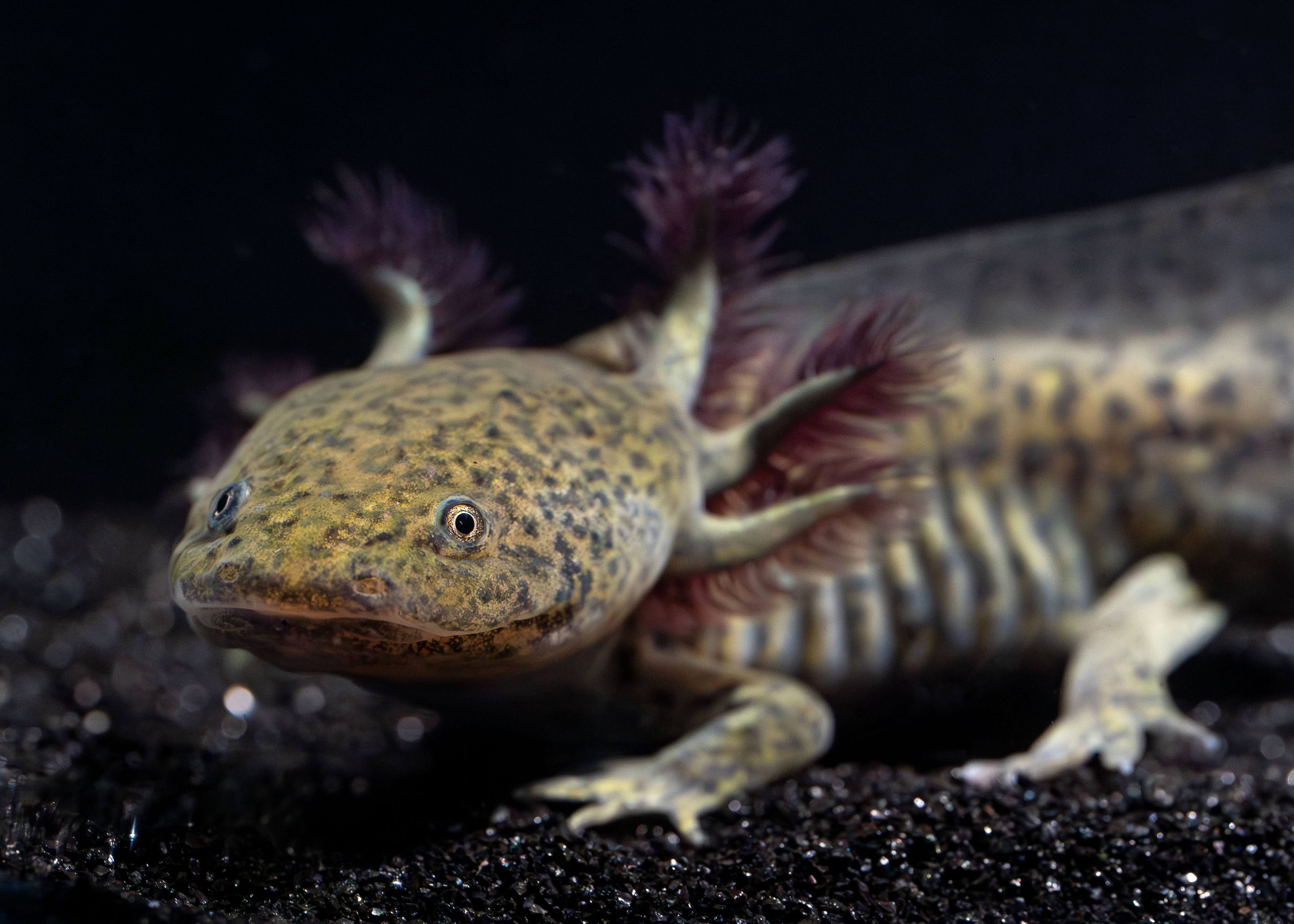
LSU biologist Igor Schneider is investigating the molecular signals that tell cells to regenerate rather than simply heal after injury. Supported by a $1.875 million NIH MIRA (R35), his lab will compare regeneration across axolotls, African lungfish, Senegal bichir, and lizards to identify signaling pathways shared across regenerative species. Using spatial transcriptomics, single-nucleus RNA sequencing, and CRISPR, the team aims to uncover a conserved “pro-regenerative signaling toolkit.”

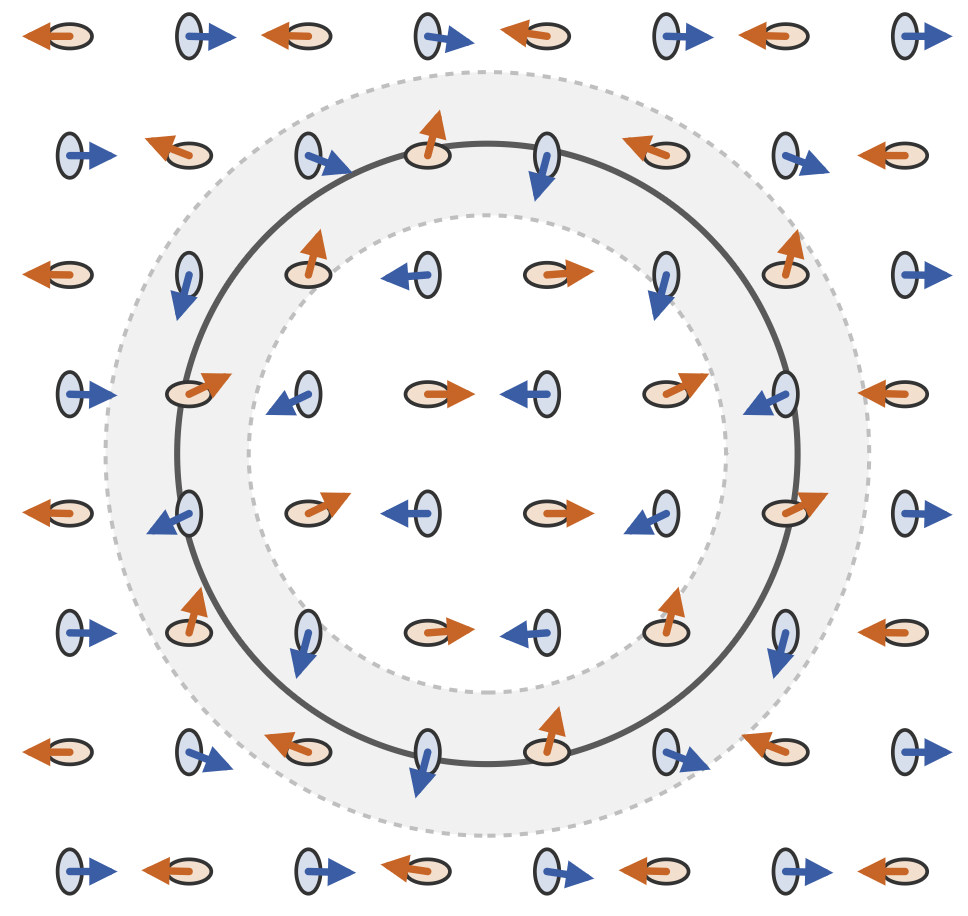
LSU physicist Constantin Schrade and collaborator Mathias S. Scheurer have developed a new theory for controlling how electrons move through altermagnets, an emerging class of magnetic materials. Their work shows that changing the material’s microscopic magnetic patterns could steer electrons in different directions depending on their spin. The findings give scientists new predictions to test and could eventually help researchers control how spin-based information moves through future electronic technologies.